A Comprehensive Guide to Selecting the Ideal Primer for Your Painting Projects Feb 03, 2026
Understanding the Importance of Primers
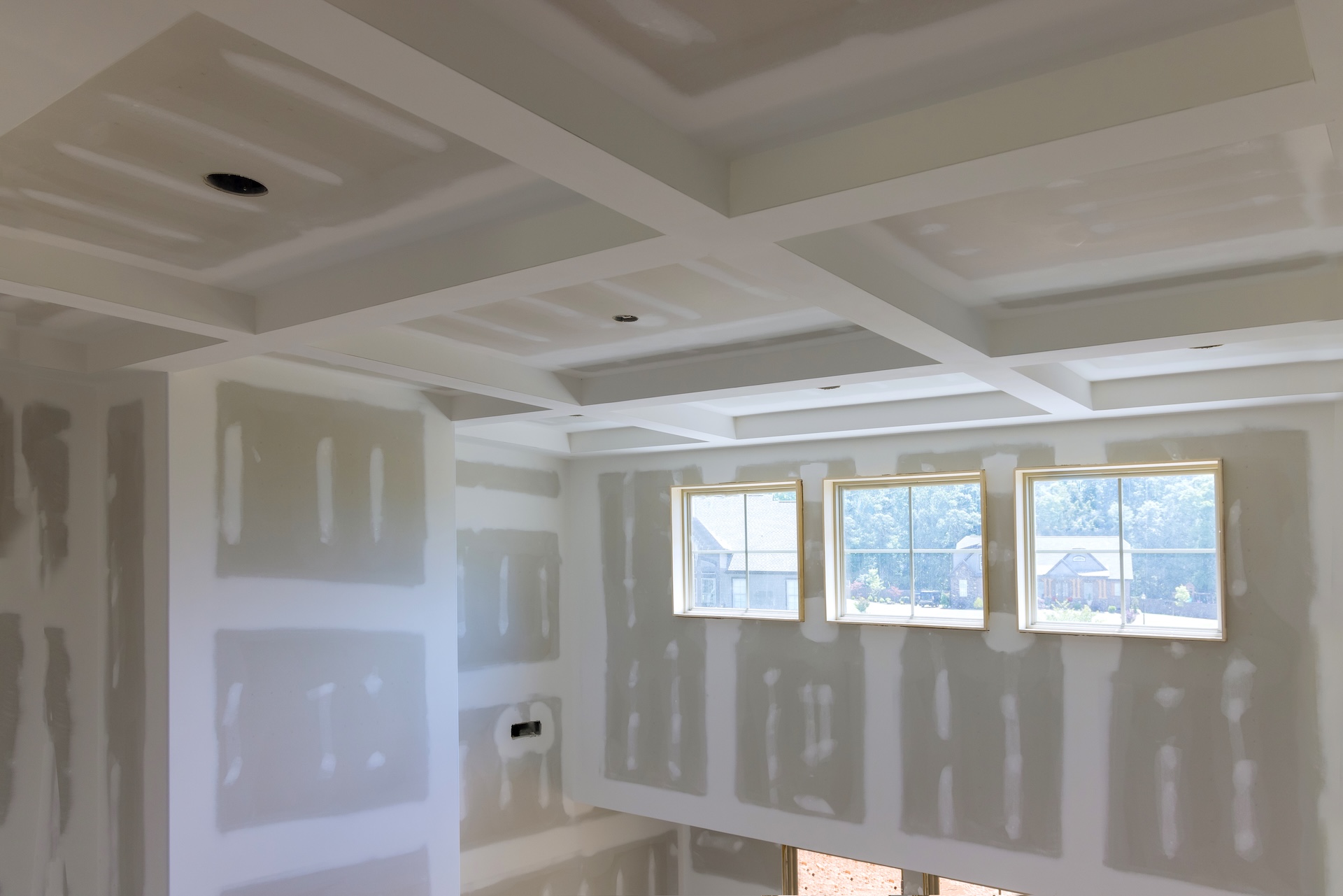
Before diving into the specifics of selecting the right primer, it’s essential to understand why primers are necessary. Primers serve as the foundation layer that prepares a surface for paint. They improve paint adhesion, ensure an even finish, and can extend the life of your paint job. For projects involving new drywall, glossy surfaces, or repairs, a primer is indispensable.
Types of Primers Available
Primers come in several varieties, each designed for specific surfaces and needs. Here's a breakdown of common types:
1. Oil-Based Primers: These are versatile and work well on wood, metal, and surfaces that have been previously painted. They offer excellent stain blocking properties and are ideal for high-moisture areas. However, they do have longer drying times.
2. Latex-Based Primers: Easier to clean and faster to dry than oil-based primers, latex primers are perfect for drywall and other porous surfaces. They’re less odor-intensive and environmentally friendly.
3. Shellac Primers: Known for their exceptional stain-blocking capabilities, shellac primers are great for covering smoke or water damage. These are quick-drying and can be used on various surfaces, but they do emit strong fumes.
Factors to Consider When Choosing a Primer
Selecting the right primer involves understanding the specific requirements of your project. Consider the following factors:
- **Surface Type:** The material you're painting—wood, metal, drywall, or something else—will largely dictate the kind of primer you need.
- **Environment:** Consider the room or space being painted. For instance, rooms with high humidity such as bathrooms and kitchens might require moisture-resistant primers.
- **Existing Conditions:** Evaluate any existing stains, repairs, or complexities like smoke-damage that might need special treatment.
- **Desired Outcome:** For a super smooth finish, particularly on new or repaired surfaces, consider primers designed to fill in imperfections.
How to Apply Primer Correctly
No matter how high-quality your primer is, improper application can lead to suboptimal results. Begin by ensuring the surface is clean and dry. Use a quality brush or roller suited for your primer type. Apply a thin, even layer and allow the recommended drying time before painting. For best results, sometimes a second coat of primer is advisable.
Final Thoughts on Choosing the Right Primer
Choosing the right primer is an investment in your painting project. By tailoring your choice to the surface, conditions, and desired finish, you can achieve a professional result that lasts. As a service company committed to excellence, FRD Corporation is always available to guide you with expert advice and quality materials.
In conclusion, selecting the correct primer can significantly impact the longevity and appearance of your paint job. Make informed decisions with the help of this guide, and enjoy the transformational results of a well-prepared painting project. With the right approach, you’ll find that priming is what truly sets the stage for outstanding paintwork.
/filters:no_upscale()/filters:format(webp)/media/52f4451b-378a-4481-b24a-ac25a0efb507.jpeg)